
Property transfers and changes of ownership
Adding or removing a name on a title, transferring to a partner or family member, or moving property after a separation or death. We prepare the transfer, work out the stamp duty and lodge it electronically with Land Use Victoria.
- Who acts for youLicensed conveyancers
- SettlementElectronic, via PEXA
- OfficesSix across Melbourne
- ExperienceSince January 2014
Get a free quote
Tell us who owns the property now and who it is going to, and we will send a quote.
Transfers we handle
A property transfer changes who is on the title without a normal sale. The paperwork is simpler than a purchase, but the stamp duty, lender and tax questions are not, so they need checking before anything is signed.
Spouses and domestic partners
Adding your partner to the title of your home, or transferring it to them. A transfer of your principal place of residence between spouses or domestic partners can be exempt from duty if there is no payment and the residence conditions are met.
Family members
Transfers to children, parents or siblings, whether as a gift or a sale at a family price. Duty is generally worked out on the greater of the price paid and the market value, so we often need a valuation.
Separation and divorce
Transfers made because a marriage or domestic relationship has ended, usually under a court order or a binding financial agreement. These have their own duty exemption, separate from the spouse exemption.
After a death
If the owners were joint tenants, the surviving owner applies to have the title updated. If they were tenants in common, the share passes through the estate and the executor or administrator transfers it.
Changing how you own it
Switching between joint tenants and tenants in common, changing ownership shares, or bringing a new co-owner in. We explain what each choice means if one owner dies.
Companies and trusts
Transfers into or out of a company or trust can trigger duty and tax that a personal transfer would not. We handle the conveyancing and tell you when you need advice from your accountant or a lawyer.
How a transfer works
Most transfers take these six steps. Lender consent and the duty assessment usually take the most time.
Tell us what you want to change
Who owns the property now, who it is going to, why, and whether any money is changing hands. That decides the duty treatment and the documents.
Title and mortgage check
We search the title. If there is a mortgage, the lender must consent to the transfer or be refinanced, and we contact them early because this is often the slowest part.
Stamp duty assessment
We check whether an exemption or concession applies. If duty is payable, we work it out and tell you the figure before you commit.
Documents and identity checks
We prepare the transfer and supporting forms, and verify the identity of every person signing, as electronic conveyancing rules require.
Electronic lodgement
The transfer and the Digital Duties Form are lodged through PEXA, and any duty is paid at the same time.
New title registered
Land Use Victoria registers the change and we send you confirmation of the new ownership details.
What to check before you transfer
A transfer between people who know each other can still carry a large tax bill. These are the issues we raise with every client.
Stamp duty is not automatic for family
A transfer to a family member is not exempt just because it is family. Unless a specific exemption applies, duty is charged on the greater of the price and the market value of the share being transferred.
The spouse exemption has conditions
The exemption for spouses and domestic partners covers residential property used as a principal place of residence, transferred for no payment. At least one of you must live there for the required period, and no one else can take an interest.
Your lender has a say
If the property is mortgaged, you cannot change the owners without the lender agreeing. A lender may require the person coming onto the title to be added to the loan.
Tax and future concessions
A transfer can affect capital gains tax, land tax and whether someone later qualifies as a first home buyer. We flag these issues; your accountant should confirm the tax position before you sign.
This page is general information, not legal or tax advice. Duty exemptions have detailed conditions, and we check the current State Revenue Office rules for your transfer.
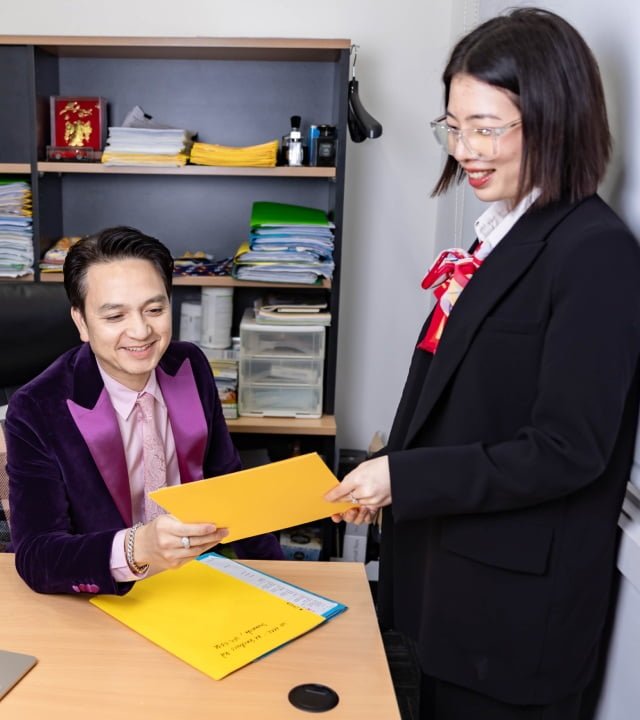
The Easy Link team
Our licensed conveyancers and settlement team have handled Easy Link matters since January 2014, and many of us speak a second language.


Property transfer questions
Do I pay stamp duty to add my partner to the title?
Possibly not. A transfer of your home between spouses or domestic partners can be exempt if no money changes hands and the residence conditions are met. If the property is not your principal place of residence, duty is usually payable on the share transferred.
Can I transfer my house to my child for free?
You can, but duty is generally charged on the market value of the share you transfer, even if no money is paid. There may also be capital gains tax for you. Talk to us and your accountant before you sign anything.
What if the property has a mortgage?
The lender must consent, and may require the new owner to join the loan or the loan to be refinanced. We contact the lender at the start because their approval often sets the timeline.
What is the difference between joint tenants and tenants in common?
Joint tenants own the whole property together, and if one dies, the survivor automatically takes their share. Tenants in common own separate shares, which pass under each owner’s will.
How long does a transfer take?
It depends mostly on lender consent and the duty assessment. Once we have seen the title and know whether a lender is involved, we give you a realistic timeline.
Is a conveyancer required for a transfer?
Transfers in Victoria are lodged electronically and the duty must be assessed correctly, so most people use a conveyancer or lawyer. If the transfer is part of a dispute or an estate with complications, we tell you when a lawyer is needed.
Keep reading
Guides
Talk to your nearest office
Every office handles property transfers. Choose the one closest to you, or deal with us by phone and email.
Our Partners


